
"Occupational" doesn't only refer to a job. In occupational therapy, it means anything that occupies a person's time and attention. Occupational therapists help people participate in the things they want and need to do, through the therapeutic use of everyday activities. At the core of occupational therapy is a belief in "healing through doing", whether that means participating in practical activities, leisure pursuits, or more subtle work like cultivating empathy or identifying personal values.
At OTTP, OT sessions are built around each young person's interests and strengths, meeting them where they are developmentally and creating the conditions for real growth
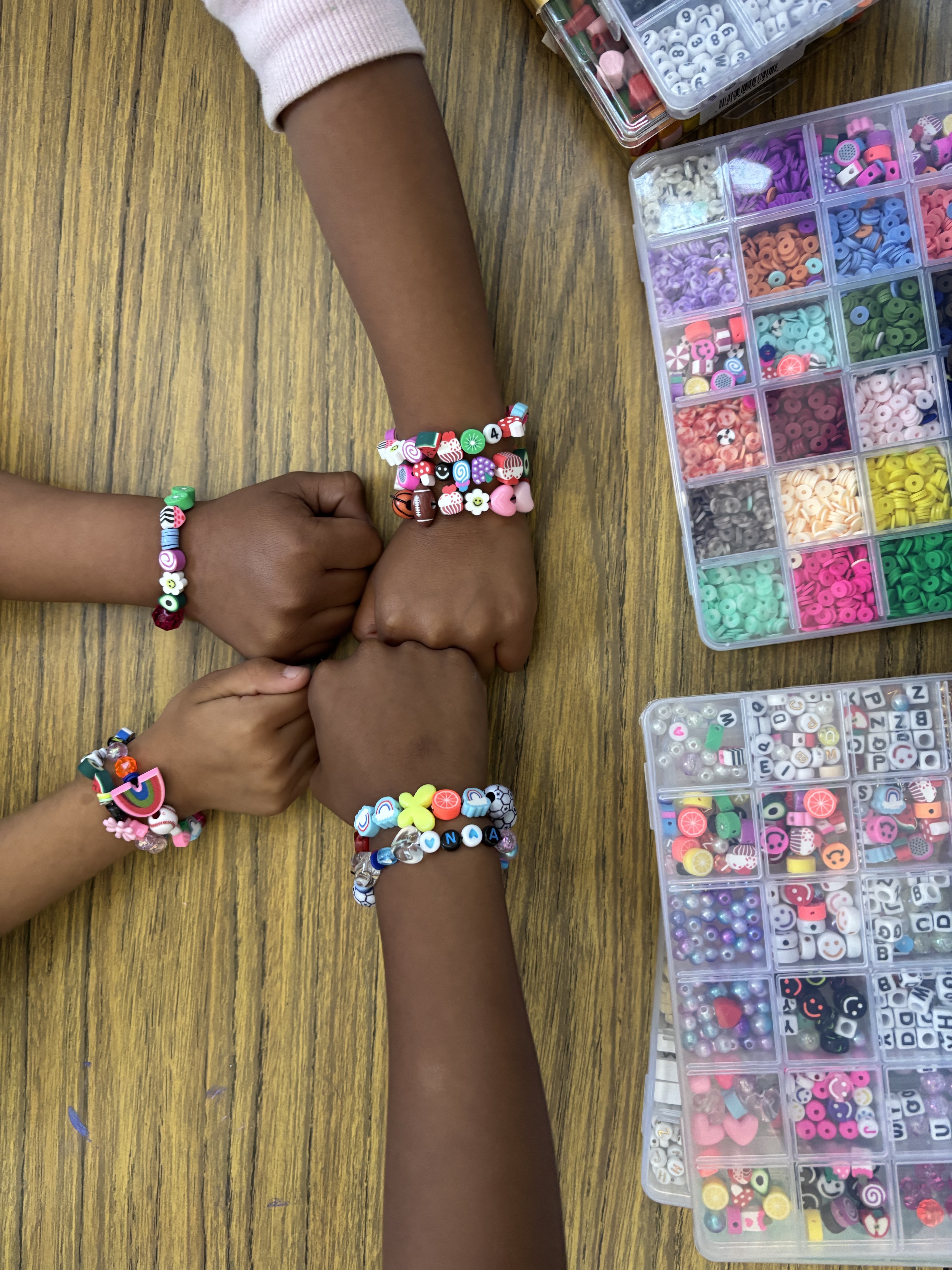
There is a positive relationship between occupation and health, physical and emotional.
All people need to engage in the occupations of their need and choice, to grow through what they do, and to experience independence, equality, participation, security, health, and well-being.
Occupations structure daily life, are central to our identity and sense of competence, and have particular meaning and value to us.
Health and well-being can be affected by environmental barriers to participation.
American Occupational Therapy Association (2002). Occupational therapy practice framework: Domain and process. American Journal of Occupational Therapy, 56, 609–639.
American Occupational Therapy Association (2002). Occupational therapy practice framework: Domain and process. American Journal of Occupational Therapy, 56, 609–639.
Social workers at OTTP connect young people and their families to the practical support they need, from housing and healthcare to counseling and advocacy. They make sure no one falls through the cracks.
Helping youth and families access concrete resources: housing, food, transportation, healthcare, and more.
Individual, family, and group therapy to support mental health and well-being across the lifespan.
Advocating for client needs within systems: schools, courts, healthcare, and community organizations.
Our social workers coordinate all the services a young person may be receiving, not just from OTTP, to make sure everything is working together. They connect families to additional resources and advocate on their behalf within schools, courts, and healthcare systems.

Explore our approach and the programs where these interventions take place.